English
 Arabic
 French
 Spanish
 Portuguese
 Deutsch
 Turkish
 Dutch
Dutch
 Italiano
 Russian
 Romaian
 Portuguese (Brazil)
 Greek
Greek
Breath Analyzers Market: Comprehensive Market Research Report
Other |
2025-09-26 09:33:26
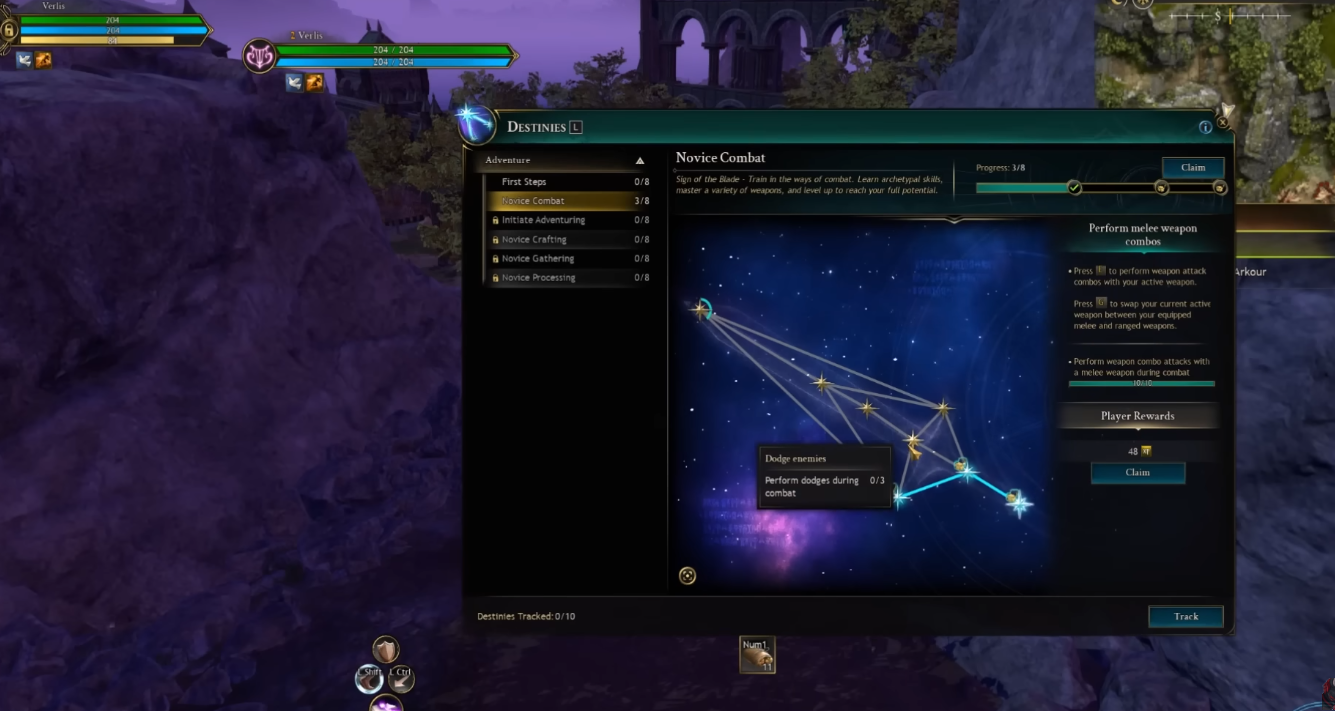
When players talk about Ashes of Creation, the conversation often comes back to its core design pillars. These pillars shape how the game feels moment to moment, how players interact with each other, and why the world changes over time. In general, understanding these pillars helps explain why many systems work the way they do.
The game is built around five main ideas: an engaging and immersive story, a reactive world, player interaction, player agency, and risk versus reward. None of these exist on their own. Most players experience them together, usually without thinking about them directly.
Below is how these pillars work in practice.
Most MMOs rely on static quest lines that every player completes in the same order. Ashes of Creation takes a different approach.
In general, the story is not meant to be fully consumed by a single character. Instead, it unfolds based on what players are doing across the server. Cities grow, regions unlock content, and conflicts emerge because of collective player activity.
Most players will experience the story through events, node development, world bosses, and regional changes rather than long quest chains. You usually learn about the world by participating in it, not by following a fixed narrative path.
This makes the story feel more grounded. Instead of being “the chosen hero,” players are part of a larger population shaping history together.
A reactive world means the game responds to player actions in visible ways.
In Ashes of Creation, nodes level up based on player activity. When enough players quest, gather, and fight in an area, that region develops. New NPCs appear, shops open, defenses change, and nearby areas may unlock new content or become more dangerous.
In general, this also means that content can disappear. If a node is destroyed during a siege, the surrounding area changes again. Quests, vendors, and travel routes may be lost or replaced.
Most players will see different versions of the same world depending on their server and timing. That’s intentional. The world is not designed to stay static or perfectly balanced at all times.
Ashes of Creation pushes players toward interacting with each other, whether they plan to or not.
In general, solo play is possible, but it’s not the most efficient way to experience everything. Group content, node politics, caravans, and guild activities all encourage cooperation or competition.
Most players will rely on others for crafting, trading, protection, or information. Even conflict is a form of interaction. Open-world PvP zones, sieges, and contested resources mean that players are constantly reacting to what others are doing.
This design makes social behavior matter. Reputation, alliances, and rivalries usually form naturally over time rather than being system-forced.
Player agency is one of the pillars that often gets misunderstood.
In Ashes of Creation, players don’t just choose skills or gear. Their decisions influence the direction of the world. Where players choose to live, which nodes they support, and who they ally with all have lasting effects.
For example, choosing to invest time in a specific node helps shape its government, available services, and military strength. Voting, running for leadership roles, or supporting certain candidates can change how that node operates.
Most players won’t control everything, but their choices still matter. In general, the game avoids funneling everyone into the same optimal path.
Risk versus reward is one of the most noticeable pillars during everyday play.
High-value activities usually come with higher danger. Open-world bosses, rare gathering zones, caravans, and certain PvP-enabled areas all carry real consequences if things go wrong.
For example, caravans offer valuable trade opportunities, but they can be attacked. Transporting goods safely often requires planning, escorts, or alliances. Going alone may be faster, but it’s usually riskier.
This design also affects how players approach the economy. Some players focus on safer, slower methods, while others chase higher rewards through dangerous routes or contested zones. Discussions about gear, materials, and even topics like a safe place to buy AoC gold U4N usually come up because risk and time investment are central to progression.
The game doesn’t try to protect players from bad decisions. Instead, it expects players to weigh their options and accept consequences.
The key thing to understand is that these five pillars are not separate systems.
The story depends on the reactive world. The reactive world depends on player agency. Player agency leads to interaction, and interaction naturally creates risk and reward.
Most players experience this loop without stopping to analyze it. You log in to gather resources, but the area is contested. That leads to a fight. The outcome affects node progress. That changes available content next week.
In general, this interconnected design is why the game doesn’t feel theme-park-like. It’s closer to a sandbox where rules exist, but outcomes vary.
New players should expect uncertainty.
The world won’t always be convenient. Content may move, disappear, or become harder depending on what other players do. Some nights will feel calm, while others may feel chaotic.
Most players who enjoy Ashes of Creation are comfortable adapting. They understand that setbacks are part of the experience and that long-term progress often comes from collaboration.
If you’re looking for a game where the world feels alive and player-driven, these pillars explain why Ashes of Creation is built the way it is.
Ashes of Creation’s design pillars are not marketing slogans. They are practical guidelines that influence almost every system in the game.
In general, the game asks players to be patient, observant, and social. It rewards those who plan ahead and engage with others, while still allowing room for individual playstyles.
Understanding these pillars helps set expectations. The game is not about rushing to an endgame checklist. It’s about participating in a shared world that changes because players are there.