English
 Arabic
 French
 Spanish
 Portuguese
 Deutsch
 Turkish
 Dutch
Dutch
 Italiano
 Russian
 Romaian
 Portuguese (Brazil)
 Greek
Greek
Producers Guild of America Nominations: Big Studios Lead
Games |
2025-10-18 07:09:59
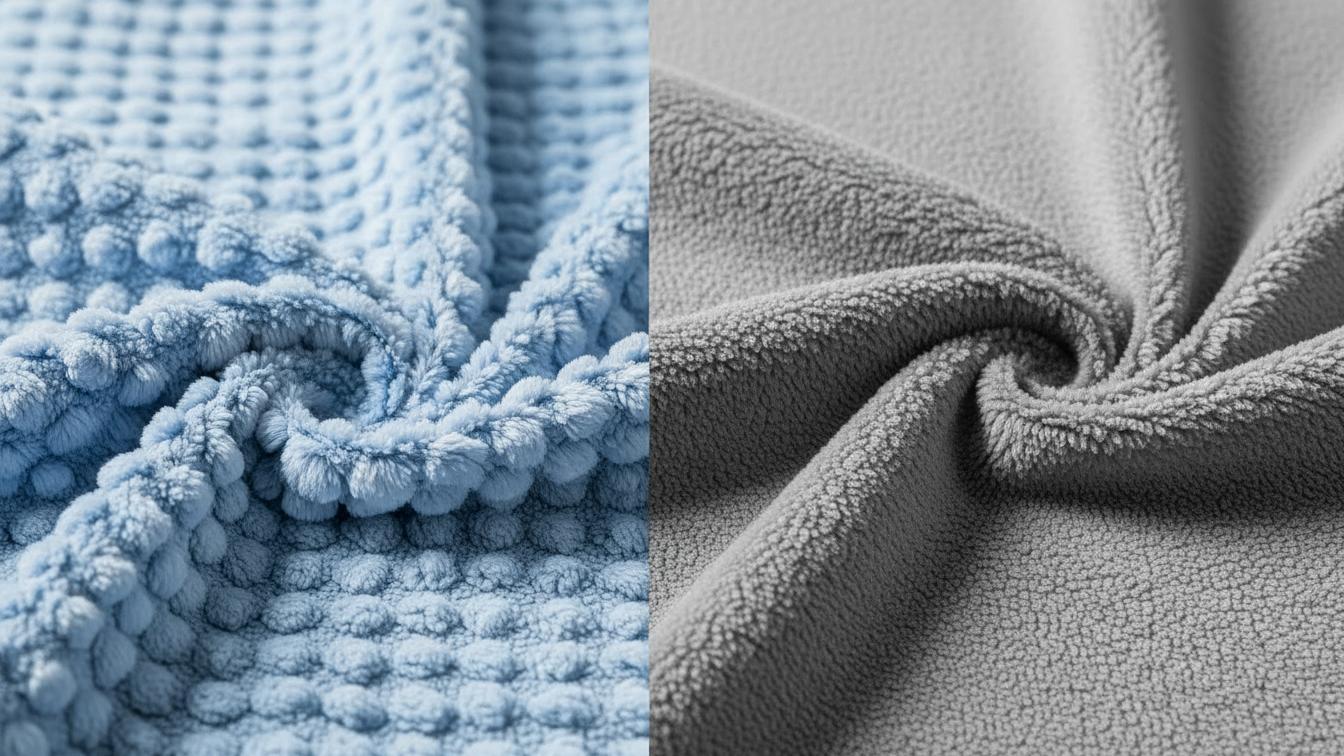
Choosing the right fabric can make or break your sewing project, especially when you want softness, warmth, and durability. Two popular options often compared are Minky Fabric and Fleece Fabric. While they may feel similar at first touch, these materials have key differences in texture, weight, stretch, warmth, and ideal uses. Understanding these details helps you pick the perfect fabric whether you're sewing baby blankets, plush toys, robes, apparel, or home décor.
This detailed guide explains everything you need to know about Minky vs Fleece Fabric, including types, uses, care instructions, cost differences, and how to choose the best option for your project.
Minky fabric is an ultra-soft, plush, synthetic fabric made primarily from polyester. Known for its smooth, buttery texture, Minky is a favorite choice for baby products and luxury blankets. It has a velvety pile (raised fibers) that remains soft even after many washes.
Extremely soft and silky
Stretchy in one or both directions
Durable and long-lasting
Doesn’t pill easily
Warmer than many fleece options
Available in textures like Minky Dot Fabric, smooth Minky, and embossed patterns
Minky comes in many variations depending on texture and use:
Features a flat, velvety texture with no raised patterns.
Has raised dots across the surface, adding dimension and a sensory feel. Popular for baby blankets and plush items.
Patterns like hearts, stars, snowflakes, or animal prints pressed into the fabric.
Thick and fluffy with a faux-sheepskin feel.
Contains spandex for more flexibility, used in apparel or fitted items.
Minky fabric is widely available as Minky Fabric by the yard or Minky Fabric by the roll for larger-volume projects or bulk buyers.
Fleece is also a soft, warm, synthetic fabric usually made from polyester but it has a completely different texture and structure. Instead of a velvety pile, fleece has a brushed, slightly fuzzy surface on one or both sides.
Lightweight yet warm
Breathable and moisture-wicking
Moderate stretch depending on type
Less silky than Minky
Often more affordable
Available in anti-pill, microfleece, polar fleece, and plush fleece
A thicker, warmer version used for winter clothing and blankets.
Lightweight and breathable, great for activewear.
Designed to resist pilling after multiple washes.
Softer and fuzzier than regular fleece, similar in feel to Minky but not as silky.
Below is a clear comparison to help you understand how these two fabrics differ in performance, feel, and best uses.
Minky: Extremely soft, luxurious, silky, smooth pile. Feels like velvet or plush faux fur.
Fleece: Soft but not silky. More like brushed wool or a sweatshirt interior.
If you need ultra-soft, baby-friendly results, Minky is the winner.
Minky: Warmer and thicker due to its longer pile.
Fleece: Warm but generally less insulating unless you choose polar fleece.
Minky is better for winter blankets and comfort items.
Minky: Usually stretchy, making it ideal for fitted sewing projects.
Fleece: Limited stretch unless it is a 4-way stretch fleece.
For items that require flexibility, Minky offers better movement.
Minky: Highly durable and doesn’t pill easily.
Fleece: Prone to pilling over time unless you use anti-pill fleece.
If durability matters long-term, Minky performs better.
Minky: Less breathable—traps more heat.
Fleece: More breathable and moisture-wicking.
Activewear and outdoor clothing benefit more from fleece.
Minky Fabric: More expensive due to luxe quality and production process.
Fleece Fabric: Typically budget-friendly and widely available.
If you're buying in bulk, consider checking Wholesale Minky Fabric sources for better pricing.
Minky is perfect for:
Baby blankets
Plush toys and stuffed animals
Sensory blankets
Throws and luxury bedding
Robes and lounge wear
Pet accessories
Winter accessories like scarves
Because of its softness and warmth, it's the top choice for premium products.
Minky is commonly purchased as Minky Fabric by the yard for home sewing or Minky Fabric by the roll for manufacturers, quilters, and high-volume creators.
Fleece is ideal for:
Jackets and outerwear
Activewear and sportswear
Cozy blankets
Pajamas
Hats, gloves, and scarves
DIY craft projects
Pet bedding
Costumes
If you need breathability or are working with a limited budget, fleece is a practical choice.
Both fabrics require unique handling methods.
Use a walking foot to prevent stretching
Pin or clip heavily—Minky shifts easily
Use a longer stitch length because of the pile
Clean your machine often (it sheds fibers)
Cut fabric carefully to avoid stretching
Use a stretch needle
Choose a zig-zag stitch for apparel
Avoid ironing (it melts polyester)
Fleece doesn’t fray, so finishing edges is optional
Machine wash cold
No fabric softener (reduces softness)
Tumble dry low
Avoid ironing
Long-lasting softness even after many washes
Machine wash warm or cold
Avoid high heat drying
Use low heat if ironing (only if necessary)
More prone to pilling after repeated use
Here’s the simplest way to decide:
Ultra softness
Luxury feel
Aesthetic appeal
Baby-safe comfort
Thick, plush blankets
High-end finished products
Affordability
Breathability
Lightweight comfort
Something easy to sew
Outdoor or activewear options
Both fabrics can produce wonderful results, it depends on your project goals.
If you're creating a product meant to feel comforting, luxurious, and memorable, Minky is hard to beat. From Minky Dot Fabric to smooth and embossed patterns, its texture adds character and depth to any sewing project. And if you want consistent quality in Wholesale Minky Fabric, bulk rolls, or Minky Fabric by the yard, you’ll find exceptional options with Ice Fabrics - the name trusted by fabric lovers for premium Minky and plush textiles.