English
 Arabic
 French
 Spanish
 Portuguese
 Deutsch
 Turkish
 Dutch
Dutch
 Italiano
 Russian
 Romaian
 Portuguese (Brazil)
 Greek
Greek
🌍 Nursing in a Globalized World: Addressing Public Health and Disparity
Health |
2025-11-20 13:04:58
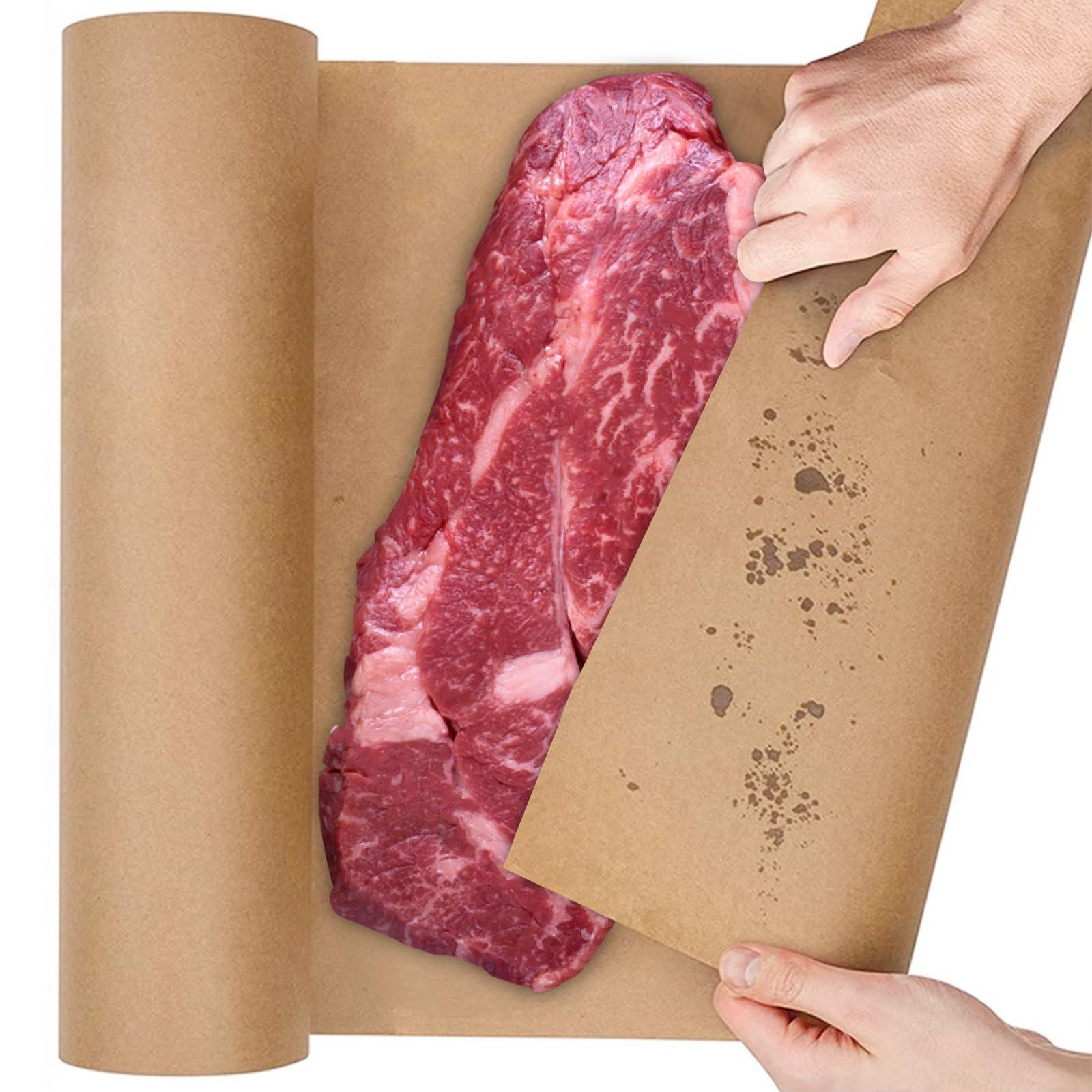
Storing meat correctly makes the difference between safe dinners and trips to emergency rooms fast. Most people waste money buying quality cuts then ruining them through careless storage habits. Simple changes in how you handle purchases extends shelf life by days or weeks. Understanding temperature and wrapping prevents throwing away expensive proteins gone bad too soon. Smart storage also protects your family from bacteria making everyone violently sick after eating. Learning these basics saves cash while keeping everyone healthy instead of constantly replacing spoiled meat.
Bacteria multiply incredibly fast when meat sits at room temperature even for short periods. Leaving groceries in cars or on counters lets dangerous organisms double every twenty minutes. Getting meat into cold storage within two hours prevents bacterial colonies from establishing themselves. Summer heat accelerates spoilage turning safe meat dangerous in under an hour outside refrigeration. Warm meat also loses texture and flavor as proteins break down from heat exposure. Racing home from stores protects both safety and quality of everything you bought today.
Air contact dries out meat surfaces creating gray crusty spots that taste terrible when cooked. Freezer burn wastes money as you trim away damaged sections before cooking remaining portions. Tight wrapping blocks air from reaching meat preventing oxidation that ruins color and flavor. Waxed butcher paper creates barriers against moisture loss while letting meat breathe slightly during refrigeration. Double wrapping with plastic then paper provides maximum protection for long freezer storage periods. Proper technique keeps meat looking and tasting fresh instead of like cardboard after weeks.
Keeping refrigerators below forty degrees slows bacteria enough to give you several safe storage days. Temperatures above forty create danger zones where organisms multiply fast despite seeming cold enough. Checking with thermometers ensures your appliance actually maintains safe ranges instead of just feeling. Overloading refrigerators restricts airflow preventing proper cooling throughout all storage areas inside units. Door storage stays warmer than back shelves so never put meat in doors. Consistent cold temperatures extend freshness better than anything else you can control at home.
Labeling Wraps with dates helps you use older items before they spoil sitting forgotten. First and foremost, our systems prevent fresh purchases from hiding older meat from going bad. Clear boxes let you see everything at glance instead of digging through opaque wrapping. Dedicated meat drawer keeps everything in one spot making inventory checks quick and easy. Wax Papers Hub supplies materials helping you label and organize purchases preventing confusion and waste. Simple organization habits save hundreds yearly by ensuring nothing expires before you cook it.
Thawing breaks down cell walls releasing moisture that bacteria love feeding on rapidly multiplying. Refreezing raw thawed meat gives bacteria chances to grow during both thawing and freezing. Ice crystals from repeated freezing ruin texture making meat mushy and unappetizing when finally cooked. Cooking kills bacteria so cooked meat can safely get frozen again for later foods. Health departments warn against refreezing because risks outweigh any convenience it might provide you. Following meat freshness tips about freezing prevents making your family sick from preventable mistakes.
Freezing large chunks forces you to thaw more than needed for single foods, wasting excess. Individual portions let you grab exact amounts needed without exposing remaining meat to temperature. Smaller Wraps freeze faster reducing time meat spends in temperature danger zones going in. Flat portions thaw quicker than thick blocks speeding up food preparation on busy weeknights. Vacuum sealed individual servings prevent freezer burn better than one giant Wrap storing everything. Smart portioning before freezing makes cooking easier while keeping quality higher throughout storage time.
Slimy surfaces mean bacteria colonies produce waste coating meat making it completely unsafe for eating. Color changes to gray or green show decomposition starting regardless of expiration dates printed. Sour or rotten smells indicate bacterial activity producing gases from breaking down proteins inside. Bloated Wrapping signals gas buildup from bacteria showing advanced spoilage requiring throwing it out. Sticky or tacky texture different from fresh meat warns that bacterial growth has already started. Trusting your senses prevents eating questionable meat that could hospitalize everyone at your table.
Acidic marinades slow some bacteria but also break down meat fibers speeding overall decomposition. Marinating should happen right before cooking instead of days ahead hoping to preserve meat. Leaving meat in marinades too long creates mushy texture as acids dissolve protein structures. Bacteria thrive in liquid environments so marinades can actually accelerate spoilage in warm conditions. Refrigerating during marinating helps but does not extend safe storage time beyond fresh limits. Following meat freshness tips means marinating enhances flavor not preservation of your raw proteins.
Ground meat spoils faster than whole cuts because grinding exposes more surface to bacteria. Poultry carries more natural bacteria requiring cooking within one or two days maximum safely. Beef and pork keep longer but still need cooking within three to five days. These timeframes assume proper refrigeration at correct temperatures throughout the entire storage period continuously. Ignoring recommended windows risks serious illness even when meat looks and smells acceptable still. Professional guidelines exist protecting consumers from dangers that cannot always get detected by senses.