English
 Arabic
 French
 Spanish
 Portuguese
 Deutsch
 Turkish
 Dutch
Dutch
 Italiano
 Russian
 Romaian
 Portuguese (Brazil)
 Greek
Greek
PRP Hair Treatment in Riyadh: A Natural Solution for Hair Loss
Health |
2025-12-27 07:31:09
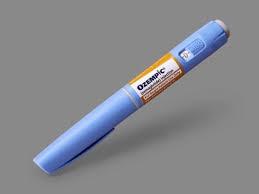
Managing weight and blood sugar effectively requires a personalized medical approach rather than a one-size-fits-all solution. Ozempic (semaglutide) has become one of the most widely discussed injectable treatments for type 2 diabetes and medical weight management. Many patients considering Ozempic injections in Islamabad often ask how doctors decide the correct dosage for safe and effective results. Understanding the process behind dosage selection can help you feel confident and informed before starting treatment.Ozempic works by mimicking a natural hormone (GLP-1) that regulates blood sugar, slows digestion, and reduces appetite. However, the correct dose depends on multiple medical and lifestyle factors. In this detailed FAQ guide, we explain how healthcare providers determine the right Ozempic dosage and what you can expect throughout your treatment journey.

Before recommending Ozempic, doctors perform a comprehensive evaluation to ensure it is safe and appropriate for the patient. Several factors influence the initial dosage and long-term treatment plan.
Doctors assess:
Type 2 diabetes diagnosis
Current blood sugar levels (HbA1c)
Previous weight loss attempts
Existing health conditions (thyroid disorders, kidney issues, gastrointestinal conditions)
If you are already taking insulin or oral diabetes medications, your doctor will adjust your Ozempic dosage carefully to avoid complications like hypoglycemia.
For patients using Ozempic for weight management, starting body weight and BMI help determine realistic dosage progression and goals.
Some patients are sensitive to GLP-1 medications. Doctors typically start with a lower dose to minimize side effects like nausea.
The goal is to customize the dosage to maximize benefits while reducing risks.
Most doctors follow a structured dosing schedule to allow the body to adapt gradually.
0.25 mg once weekly for 4 weeks
This is considered a “starter dose” and is not meant for long-term blood sugar control. Instead, it helps your body adjust and reduces the likelihood of side effects such as nausea, vomiting, or digestive discomfort.
After four weeks, the dose is usually increased based on tolerance and treatment goals.
Dosage escalation is a carefully monitored process. Doctors evaluate:
Blood sugar improvements
Weight loss progress
Side effects
Overall patient comfort
| Dosage Level | Purpose | Duration | Common Reason for Increase |
|---|---|---|---|
| 0.25 mg | Starter dose | 4 weeks | Initial tolerance building |
| 0.5 mg | Maintenance dose | Ongoing | Improved glucose control |
| 1 mg | Higher therapeutic dose | If needed | Better weight or sugar control |
| 2 mg | Maximum approved dose | Selected patients | Enhanced results under supervision |
Not every patient requires the highest dose. Many achieve excellent results at 0.5 mg or 1 mg weekly.Doctors avoid rapid increases because gradual adjustments reduce gastrointestinal side effects and improve long-term adherence.
Yes, the dosage strategy may differ slightly depending on treatment goals.
The primary focus is blood sugar regulation. Doctors monitor:
HbA1c levels
Fasting glucose readings
Post-meal blood sugar spikes
If glucose control is achieved at a moderate dose, there may be no need to increase further.
Doctors may gradually increase the dose if:
Appetite suppression is insufficient
Weight loss plateaus
The patient tolerates medication well
However, dosage decisions are always individualized.
Side effects play a crucial role in dosage determination. The most common include:
Nausea
Bloating
Constipation
Mild fatigue
Reduced appetite
If side effects are severe, doctors may:
Extend the lower dose duration
Delay dose escalation
Temporarily reduce dosage
This cautious approach ensures patient comfort and safety.
Many patients report noticeable improvements in appetite control and blood sugar stability within weeks of starting treatment.
“I started on 0.25 mg, and my doctor increased the dose slowly. I lost 6 kg in three months with manageable side effects.”
“My blood sugar levels stabilized after increasing to 0.5 mg. The gradual dosage plan made a big difference.”
“I was worried about nausea, but my doctor adjusted the schedule carefully, and it became much easier to tolerate.”
These reviews highlight the importance of medically supervised dosing.
Regular follow-ups are essential for safe and effective dosing.
Monthly reviews during the first 3 months
Blood sugar testing
Weight tracking
Side effect assessment
Doctors may adjust dosage during these visits based on progress.
No. Ozempic should never be self-adjusted without medical supervision.
Increasing dosage too quickly may cause:
Severe nausea
Dehydration
Digestive distress
Low blood sugar (if combined with other medications)
Always consult your healthcare provider before making changes.
Doctors typically advise:
If less than 5 days have passed, take the missed dose immediately.
If more than 5 days have passed, skip the missed dose and resume your regular schedule.
Consistency is important, but double dosing should be avoided.
Not necessarily. Higher doses may enhance weight loss or glucose control but also increase the risk of side effects.Doctors aim to find the lowest effective dose that delivers results while maintaining comfort.Some patients achieve their goals at 0.5 mg, while others may require 1 mg or 2 mg under supervision.
Treatment duration depends on:
Medical condition severity
Weight loss goals
Long-term metabolic health
Some patients use Ozempic for months, while others may require longer-term therapy.
Stopping suddenly without medical advice can result in:
Weight regain
Blood sugar fluctuations
Doctors may taper or transition treatment carefully.
Determining the right Ozempic dosage is a personalized medical process based on health history, treatment goals, tolerance levels, and ongoing monitoring. Doctors typically begin with a low starter dose and gradually increase it to achieve optimal results while minimizing side effects.
Whether used for blood sugar control or medical weight management, careful supervision ensures safety and long-term success. The most important factor is professional guidance rather than self-adjustment.If you are considering Ozempic injections in Islamabad, consult an experienced healthcare provider who can tailor a dosage plan specifically for your needs.
Ready to begin your medically supervised weight management journey?At our clinic, experienced doctors provide personalized consultation, detailed health assessments, and customized dosage plans for Ozempic treatment.
Address : Office Number LG 20 - 21 Interlace Plaza I-8 Markaz Islamabad
Phone : +92 333 5705871
Email : info@glamorousclinic.com.pk
Link : https://www.glamorousclinic.com.pk/