English
 Arabic
 French
 Spanish
 Portuguese
 Deutsch
 Turkish
 Dutch
Dutch
 Italiano
 Russian
 Romaian
 Portuguese (Brazil)
 Greek
Greek
Payment Gateway Market Size, Share, Trends, Demand, Future Growth, Challenges and Competitive Analysis
Other |
2025-11-21 09:42:07
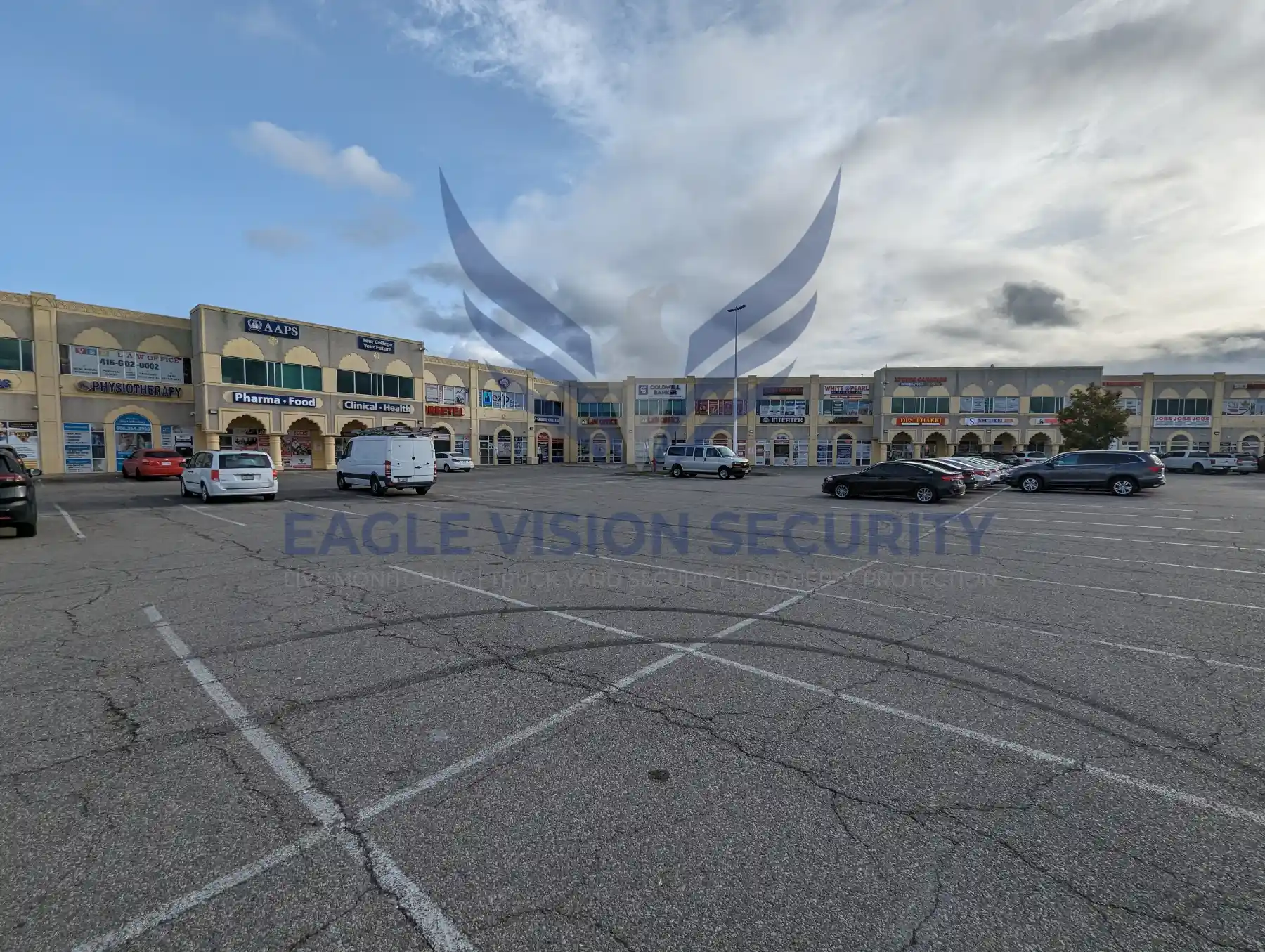
Truck yards are the backbone of many transportation and logistics operations. They house valuable vehicles, cargo, trailers, and equipment, often across large outdoor spaces that operate around the clock. Because of their size and exposure, truck yards are especially vulnerable to theft, vandalism, and unauthorized access. This makes truck yard monitoring a critical part of modern fleet security and operational management.
Unlike enclosed facilities, truck yards have multiple access points and constant vehicle movement. Trucks arrive and depart at all hours, drivers rotate frequently, and cargo may sit unattended for long periods. Without proper monitoring, it becomes difficult to know who is on-site, what assets are present, and whether activity is legitimate. These gaps create opportunities for security incidents and operational inefficiencies.
One of the primary benefits of truck yard monitoring is real-time visibility. Continuous oversight allows operators to see what is happening across the yard at any moment. This awareness helps identify suspicious behavior early, respond quickly to incidents, and maintain overall control of the environment. Faster response times often mean the difference between preventing a loss and dealing with costly consequences.
Theft prevention is a major concern in truck yards. Stolen trailers, fuel siphoning, cargo theft, and vehicle vandalism are common issues in unsecured locations. Monitoring acts as both a deterrent and a response tool. Visible surveillance discourages criminal activity, while recorded footage provides evidence when incidents occur.
Truck yard monitoring also improves accountability. With clear records of vehicle movement and on-site activity, disputes are easier to resolve. Whether addressing damage claims, missing equipment, or unauthorized access, documented footage removes uncertainty and protects both operators and drivers from false accusations.
Safety is another important factor. Truck yards are busy environments with large vehicles, heavy equipment, and pedestrian traffic. Poor visibility increases the risk of accidents, especially during nighttime operations or adverse weather conditions. Monitoring helps identify unsafe practices, congested areas, and potential hazards before they lead to injuries or damage.
Operational efficiency benefits as well. When yard activity is monitored, managers can identify bottlenecks, improve traffic flow, and optimize parking layouts. This leads to smoother operations, reduced downtime, and faster turnaround times for vehicles. In logistics-driven businesses, even small efficiency gains can have a significant impact.
Compliance and insurance considerations also play a role. Many fleet operators must meet strict security and safety standards. Truck yard monitoring helps demonstrate compliance with industry requirements and provides valuable documentation for insurance claims or audits. Insurers often view monitored yards as lower risk, which can positively affect coverage and claims outcomes.
Modern truck yard monitoring solutions are designed to handle the unique challenges of outdoor environments. Changing lighting conditions, large coverage areas, and constant motion require systems that are reliable and adaptable. Professional solutions are built to perform consistently, ensuring uninterrupted oversight regardless of time or weather.
Scalability is another advantage. As fleets grow and yard operations expand, monitoring systems can be adjusted to cover additional space and increased activity. This flexibility allows businesses to maintain security standards without completely redesigning their operations.
For fleet operators and logistics managers looking to protect assets and maintain control, investing in professional truck yard monitoring is a strategic decision. It strengthens security, improves safety, and enhances overall operational awareness.
Ultimately, truck yard monitoring is about protecting investments and ensuring continuity. By maintaining constant visibility and control, businesses can reduce risks, improve efficiency, and operate with greater confidence in an increasingly demanding logistics environment.