English
 Arabic
 French
 Spanish
 Portuguese
 Deutsch
 Turkish
 Dutch
Dutch
 Italiano
 Russian
 Romaian
 Portuguese (Brazil)
 Greek
Greek
Wizards Unite: AR Game Teaser Reveals Magical Mayhem
Games |
2025-10-12 01:49:44
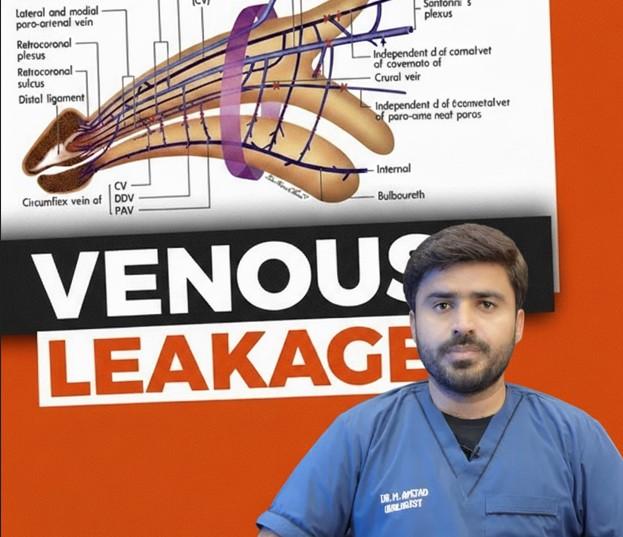
Venous leak, also known as veno-occlusive dysfunction or venogenic erectile dysfunction (ED), is a condition in which the veins of the penis are unable to adequately retain blood during an erection. This leads to soft, short-lived, or incomplete erections, significantly affecting sexual function, self-esteem, and overall quality of life.
Though erectile dysfunction can have multiple causes, venous leak is primarily vascular and structural, often requiring targeted interventions beyond lifestyle adjustments. In this article, we provide a detailed exploration of venous leak, including its anatomy, causes, symptoms, diagnostics, treatments, complications, and psychological impacts.
Understanding venous leak requires a clear understanding of normal penile anatomy and erection physiology:
Corpora Cavernosa and Corpus Spongiosum
The penis contains two corpora cavernosa and a corpus spongiosum. The corpora cavernosa are responsible for most of the erectile rigidity.
These structures are composed of vascular spaces (sinusoids) lined with endothelial cells and smooth muscles.
Tunica Albuginea
A fibrous envelope surrounding the corpora cavernosa.
Plays a crucial role in trapping blood during erection by compressing the veins against the surrounding tissue.
Arterial Blood Flow
During sexual arousal, nitric oxide is released, relaxing smooth muscle cells in the arteries.
Blood fills the corpora cavernosa, initiating an erection.
Veno-Occlusive Mechanism
Expanding corpora cavernosa compress subtunical veins, preventing blood from leaving the penis.
Failure of this mechanism leads to venous leak, where blood escapes too quickly, causing erectile dysfunction.
Detumescence
After ejaculation or cessation of arousal, veins open, allowing blood to exit and the penis to return to a flaccid state.
Venous leak occurs when the venous outflow is excessive or the tunica albuginea and smooth muscles fail to compress veins properly. The primary pathological mechanisms include:
Weakening of tunica albuginea: Leads to insufficient venous compression.
Smooth muscle dysfunction: Smooth muscle cells in the corpora cavernosa fail to relax or contract adequately.
Venous structural abnormalities: Leaky veins or malformed venous valves allow blood to escape during erection.
This results in incomplete or unsustainable erections, regardless of sexual arousal.
Venous leak may develop due to congenital, acquired, or lifestyle-related factors. Multiple factors often coexist.
Abnormal venous valves or weak tunica albuginea present from birth.
Congenital venous leak often becomes apparent in early adulthood.
Loss of elasticity in the tunica albuginea and smooth muscles.
Increased risk in men above 50 years.
Penile, perineal, or pelvic trauma can damage veins.
Scar tissue (fibrosis) may disrupt normal venous compression.
Diabetes mellitus: Leads to neuropathy and microvascular damage.
Hypertension: Reduces elasticity in penile arteries and veins.
Atherosclerosis: Impairs arterial inflow, indirectly affecting venous closure.
Low testosterone: Reduces sexual drive and penile tissue integrity.
Peyronie’s disease: Fibrous plaques disrupt normal penile tissue and venous compression.
Smoking: Damages endothelial function, reducing nitric oxide and blood flow.
Excess alcohol: Depresses nervous system and vascular response.
Obesity: Alters hormone balance and vascular function.
Sedentary lifestyle: Reduces cardiovascular health, contributing to ED.
Stress, anxiety, and depression exacerbate venous leak by impairing hormonal balance and penile blood flow.
Performance anxiety can create a vicious cycle, worsening erectile dysfunction.
Several factors increase the likelihood of venous leak:
Age above 40 years
History of penile or pelvic trauma
Chronic diseases (diabetes, hypertension, hyperlipidemia)
Smoking or heavy alcohol use
Obesity or metabolic syndrome
Low testosterone or hormonal imbalances
Symptoms can range from mild to severe and typically involve erectile dysfunction that is unresponsive to standard measures:
Difficulty Achieving or Maintaining Erection
Erections may be weak, incomplete, or short-lived.
Soft or Flaccid Erection
Even with arousal, the penis does not achieve sufficient rigidity.
Rapid Loss of Erection
Erections may subside quickly, often before or during intercourse.
Partial or Inconsistent Erection
May achieve partial firmness but not enough for penetration.
Psychological Effects
Anxiety, stress, depression, low self-esteem, and relationship issues.
Early Onset
Can occur in younger men, especially if related to trauma or congenital issues.
Accurate diagnosis is critical for determining treatment. Venous leak is differentiated from other forms of ED, such as arteriogenic or psychogenic ED.
Assess sexual function, prior injuries, medical conditions, medications, and lifestyle.
Physical exam of penis, testes, and secondary sexual characteristics.
Hormone levels: Testosterone, prolactin, LH, FSH.
Metabolic profile: Blood sugar, cholesterol, lipid profile.
Thyroid function: Rule out hormonal causes of ED.
Evaluates arterial inflow and venous outflow during a pharmacologically induced erection.
Can detect veins that fail to constrict properly.
Measures intracavernosal pressure during artificial erection.
Saline or vasoactive agents are injected; leaking veins are identified via imaging.
Evaluates erections during REM sleep.
Absence of normal nocturnal erections indicates organic ED, such as venous leak.
MRI or CT venography may help in complex cases to visualize venous anatomy.
Treatment depends on severity, underlying cause, age, and patient preference. Options range from conservative therapies to surgical interventions.
Quit smoking and alcohol
Regular aerobic exercise
Heart-healthy diet
Weight management
Stress reduction (meditation, counseling)
Good sleep hygiene
Sildenafil, tadalafil, vardenafil, avanafil
Increase blood flow to the penis
May be less effective in severe venous leak
Testosterone replacement if low levels are detected
Improves libido and erectile function
Oral or injectable vasodilators
May improve blood retention in mild cases
Mechanically draw blood into penis
Constriction ring maintains erection
Non-invasive and effective for many men
Medications such as alprostadil, papaverine, or phentolamine
Directly induce erection
Effective when oral drugs fail
Leaking veins are surgically tied off
Best results in younger men with identifiable leaks
Inflatable or malleable implants
High success rates in severe or refractory venous leak
Experimental in complex cases
May restore tunica albuginea or smooth muscle function
Stem Cell Therapy: Repairs damaged erectile tissue
Platelet-Rich Plasma (PRP): Promotes healing of smooth muscle and endothelium
Low-Intensity Shockwave Therapy (LI-ESWT): Stimulates angiogenesis, improves blood flow
Gene Therapy: Investigational, targets molecular pathways in erectile tissue
Failure to treat venous leak may lead to:
Chronic erectile dysfunction
Psychological distress: depression, anxiety, low self-esteem
Relationship and intimacy problems
Identification of underlying systemic diseases (cardiovascular disease, diabetes)
Decreased sexual satisfaction and quality of life
While congenital cases cannot be prevented, risk can be minimized with:
Healthy lifestyle: exercise, diet, no smoking, limited alcohol
Cardiovascular health maintenance
Control of chronic diseases: diabetes, hypertension, hyperlipidemia
Early intervention for erectile problems
Protection against genital or pelvic trauma
Venous leak has a profound emotional impact:
Anxiety over sexual performance can worsen ED
Couples therapy may improve communication and intimacy
Counseling can help manage depression and sexual frustration
Education about the condition reduces stress and improves adherence to treatment
Mild cases may respond to lifestyle changes, PDE5 inhibitors, and vacuum devices.
Moderate cases may require injections or venous ligation.
Severe cases often require penile prostheses or emerging regenerative therapies.
Early detection and treatment improve outcomes, reduce psychological burden, and prevent complications.
Men should consult a urologist or sexual health specialist if they experience:
Persistent inability to achieve or maintain erection
Erections that are soft, short-lived, or inconsistent
Psychological distress related to sexual performance
Early onset of erectile dysfunction in otherwise healthy individuals
Venous leak is a structural and vascular cause of erectile dysfunction that occurs when the veins of the penis cannot retain blood during erection. It can result from congenital defects, trauma, aging, chronic medical conditions, or lifestyle factors. Symptoms include soft, short-lived, or incomplete erections, often accompanied by psychological distress.
Diagnosis requires a thorough medical evaluation, including physical examination, blood tests, Doppler ultrasound, and specialized studies such as cavernosometry. Treatments range from lifestyle changes, medications, vacuum devices, and injections to surgical interventions and emerging regenerative therapies.
Early intervention improves sexual function, psychological well-being, and overall quality of life. Men experiencing symptoms should consult a qualified urologist for diagnosis and a personalized treatment plan.