English
 Arabic
 French
 Spanish
 Portuguese
 Deutsch
 Turkish
 Dutch
Dutch
 Italiano
 Russian
 Romaian
 Portuguese (Brazil)
 Greek
Greek
Youth YouTube Scandal: A Troubling Reality
Games |
2026-01-11 03:12:34
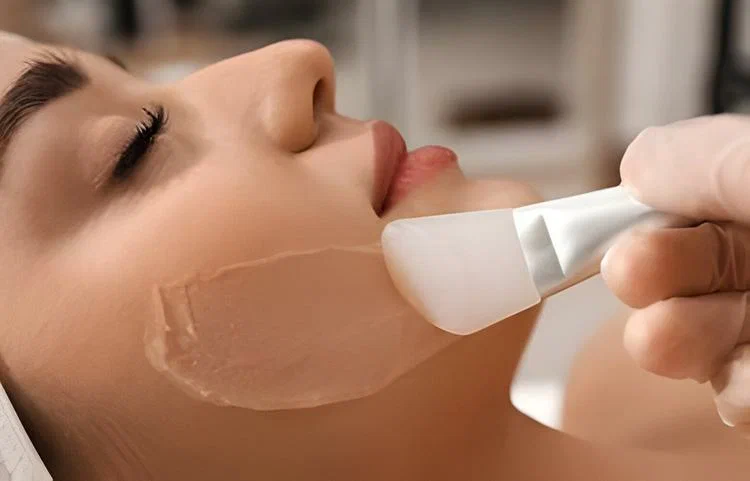
Acne is a complex skin condition that affects individuals far beyond their teenage years, often persisting into adulthood due to hormonal fluctuations, stress, and environmental factors.1 For those seeking a professional solution to stubborn breakouts, Chemical Peels in Riyadh (التقشير الكيميائي في الرياض)offer a scientifically advanced method to clear the skin and prevent future congestion. Unlike manual scrubs that can irritate inflamed lesions or spread bacteria, chemical peels use targeted acids to dissolve the debris deep within the follicle. By addressing the root causes of acne—excess oil production, bacterial overgrowth, and the buildup of dead skin cells—these treatments provide a pathway to a clearer, smoother, and more confident complexion.
To understand why chemical peels are so effective for acne, one must first understand how a pimple forms. The process, known as "microcomedone" formation, begins when the lining of the pore becomes "sticky" and fails to shed cells properly.2 This, combined with excess sebum (oil), creates a plug. In the oxygen-deprived environment of a clogged pore, C. acnes bacteria thrive, leading to the redness and swelling associated with inflammatory acne.3
Chemical peels break this cycle through a process called keratolysis. The acidic solution softens and dissolves the cellular "glue" holding the plug together.4 Once the blockage is removed, oxygen can enter the pore, which naturally neutralizes acne-causing bacteria. Furthermore, the exfoliation process thins the top layer of the skin, making it much easier for subsequent anti-acne topicals to penetrate and work effectively.
When it comes to treating active acne and clogged pores, Salicylic Acid is the undisputed champion. As a Beta-Hydroxy Acid (BHA), its chemical structure is lipophilic, or "oil-loving."5 While Alpha-Hydroxy Acids (AHAs) are water-soluble and work primarily on the skin's surface, Salicylic Acid can bypass surface oils to dive deep into the oily environment of the pore.6
Deep Pore Cleansing: It acts like a "bottlebrush," clearing out the sebum and debris that cause blackheads and whiteheads.
Anti-Inflammatory Properties: Derived from the same family as aspirin, Salicylic Acid has natural anti-inflammatory benefits, which help to reduce the angry redness of cystic acne.7
Oil Regulation: Regular use of BHA peels can help train the sebaceous glands to produce less oil over time, leading to a more balanced skin type.8
One of the most frustrating aspects of acne is the "memory" it leaves behind in the form of red or brown marks, known as Post-Inflammatory Erythema (PIE) or Post-Inflammatory Hyperpigmentation (PIH).9 Even after the active bump is gone, these marks can persist for months.10
Chemical peels, particularly those containing Lactic Acid or Mandelic Acid, are excellent for fading these reminders.11
Mandelic Acid: This acid has a larger molecular size, meaning it penetrates the skin more slowly and evenly. It also possesses antibacterial properties, making it ideal for treating acne in individuals with sensitive skin or those prone to pigmentation.
Lactic Acid: This helps to gently lift the pigmented cells while simultaneously pulling moisture into the skin, ensuring the healing process doesn't lead to excessive dryness.
In professional settings, specialists often use "cocktail" peels that blend different acids to address multiple concerns at once.12 For an acne patient, a blend might include Glycolic Acid to smooth out the rough texture left by old breakouts and Salicylic Acid to treat active ones.
This multi-action approach ensures that the skin is being treated at every level. While the BHA is working on the internal pore structure, the AHA is refining the surface, reducing the appearance of enlarged pores, and stimulating collagen to help "fill in" minor atrophic scars (the small indentations often left by severe acne).13
When treating acne with chemical peels, it is important to have realistic expectations regarding the timeline of improvement.
The Purging Phase: It is common for acne to seemingly "get worse" after the first or second peel. This is because the acids are accelerating the cell turnover, pushing existing deep-seated congestion to the surface faster than it would have moved on its own. This is a sign that the treatment is working.
Reduction in Active Lesions: After the initial purge, patients usually notice that new breakouts are smaller, less painful, and heal much faster.
Refined Pores: Over a series of treatments, the "orange peel" texture of the skin begins to smooth out, and blackheads become significantly less noticeable.
After a peel, the skin is in a vulnerable state.14 For acne patients, the temptation to use their usual "harsh" spot treatments can be strong, but it must be resisted.
Skip the Benzoyl Peroxide: Avoid strong acne creams for at least 5–7 days post-peel to prevent chemical burns.
Hydrate to Regulate: Many acne patients fear moisturizers, but dehydrated skin actually produces more oil to compensate.15 Use a lightweight, non-comedogenic (pore-clogging) gel moisturizer to keep the skin barrier healthy.
Sun Protection: New skin is highly susceptible to the sun. To prevent acne marks from turning into permanent dark spots, a daily SPF is mandatory.16
Acne is often a chronic condition, meaning a single "miracle" treatment is rarely enough.17 To achieve and maintain clear skin, a series of 4 to 6 peels is typically recommended, spaced about 2 to 4 weeks apart. This frequency ensures that the pores are kept clear as the skin goes through its natural cycles.
Once the active acne is under control, maintenance peels every few months can help keep the skin’s oil production in check and prevent the accumulation of dead skin cells that lead to new blockages.18 This proactive approach transforms the skin from a reactive state—constantly fighting new bumps—to a proactive state of health and clarity.
Chemical peels represent one of the most effective tools in the dermatological arsenal for fighting acne. By combining deep pore exfoliation with anti-inflammatory benefits, these treatments offer more than just a surface-level fix. They provide a comprehensive reset for the skin, clearing the way for a future free of congestion and full of natural radiance. For those struggling with the physical and emotional toll of acne, understanding the targeted power of these professional acids is the first step toward reclaiming a clear, healthy complexion.