English
 Arabic
 French
 Spanish
 Portuguese
 Deutsch
 Turkish
 Dutch
Dutch
 Italiano
 Russian
 Romaian
 Portuguese (Brazil)
 Greek
Greek
FC26 : Oliver Provstgaard – Nouveau Joueur [DCE]
Games |
2025-11-27 19:20:11
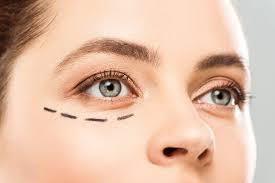
Aging, genetics, and environmental factors can cause the delicate skin around the eyes to sag or develop puffiness. For many Pakistanis, these concerns lead to considering Eyelid Surgery or Blepharoplasty. This cosmetic procedure can restore a youthful, refreshed appearance by addressing drooping eyelids and under-eye bags. Understanding the differences between upper and lower eyelid surgery can help you make an informed decision.
Upper eyelid surgery, also known as upper Blepharoplasty, focuses on removing excess skin, fat, and sometimes muscle from the upper eyelids. This procedure can correct droopy eyelids that interfere with vision or cause a tired appearance. The surgeon typically makes a small incision along the natural crease of the eyelid to ensure minimal visible scarring. Recovery is generally faster compared to lower eyelid surgery, and results can last for many years with proper care.
Patients undergoing upper Eyelid Surgery often report improved vision along with a more alert and youthful look. The procedure is suitable for both men and women and can be combined with other facial cosmetic treatments. Local anesthesia with sedation is commonly used, reducing discomfort during surgery. Postoperative swelling and bruising are expected but usually resolve within one to two weeks.
Lower eyelid surgery or lower Blepharoplasty addresses under-eye bags, dark circles, and sagging skin. Unlike upper eyelid surgery, this procedure can involve either an external incision just below the lash line or a transconjunctival approach inside the lower eyelid. The method depends on whether excess skin, fat, or both need correction. Lower eyelid surgery is slightly more complex due to the thin skin and important structures around the eye.
The primary goal of lower Eyelid Surgery is to smooth out the under-eye area and remove puffiness. Patients often experience mild swelling, bruising, or temporary irritation after the procedure. In some cases, fat repositioning is performed to avoid a hollow appearance and maintain natural contours. It is essential to choose a skilled surgeon to ensure optimal aesthetic and functional outcomes.
While both procedures fall under Blepharoplasty, the techniques and goals differ:
Upper eyelid surgery removes excess skin and fat to lift droopy eyelids.
Lower eyelid surgery targets under-eye bags and dark circles.
Incision placement varies based on the area being treated.
Recovery time is usually shorter for upper eyelid surgery.
Lower eyelid surgery may require additional support to prevent eyelid malposition.
Understanding the surgical process of Eyelid Surgery can ease concerns. Here is a step-by-step overview:
Consultation and Assessment: The surgeon evaluates your eyes, discusses aesthetic goals, and explains the procedure.
Anesthesia Administration: Local anesthesia with sedation or general anesthesia is applied based on the complexity.
Incision Placement: Upper eyelid incisions follow the natural crease, while lower eyelids may have sub-lash or internal incisions.
Excess Tissue Removal: Fat, skin, and sometimes muscle are removed or repositioned for a natural look.
Closing Incisions: Fine sutures or tissue adhesives close the incision to minimize scarring.
Postoperative Care: Swelling, bruising, and discomfort are managed with medication and ice packs.
Eyelid Surgery and Blepharoplasty offer both cosmetic and functional benefits:
Corrects droopy upper eyelids that impair vision.
Reduces under-eye bags for a rejuvenated appearance.
Provides long-lasting results with minimal scarring.
Boosts self-confidence and overall facial harmony.
Can be combined with other facial procedures for enhanced outcomes.
Proper care is crucial for successful healing. Patients are advised to:
Apply cold compresses to reduce swelling.
Keep the head elevated for the first few days.
Avoid strenuous activities and heavy lifting.
Follow prescribed medications and eye drops.
Attend follow-up appointments to monitor progress.
Most swelling and bruising resolve within two weeks, and final results are visible in one to three months. Following the surgeon’s instructions ensures natural-looking results and reduces the risk of complications.
Q1: Is Eyelid Surgery painful?
Mild discomfort is normal, but local anesthesia and sedation minimize pain during the procedure.
Q2: How long do the results last?
Results are long-lasting, typically 10 years or more, depending on aging and lifestyle factors.
Q3: Can both upper and lower eyelids be treated at once?
Yes, combined Blepharoplasty is possible and may reduce overall recovery time.
Q4: Are there any risks?
Temporary swelling, bruising, or dry eyes may occur. Choosing an experienced surgeon reduces complications.
Q5: When can I return to work?
Most patients resume light activities within one to two weeks, depending on healing.
Selecting a skilled cosmetic surgeon is essential for safe and effective results. Look for board-certified surgeons with experience in Eyelid Surgery and Blepharoplasty. Reviewing before-and-after photos, patient testimonials, and consulting multiple experts can help make the best choice. A qualified surgeon ensures precise technique, natural outcomes, and minimal scarring.
Upper and lower eyelid surgeries offer transformative results for individuals seeking to rejuvenate their appearance. By addressing droopy eyelids, under-eye bags, and sagging skin, Eyelid Surgery and Blepharoplasty enhance both function and aesthetics. For residents in Pakistan looking for expert care, skn cosmetics provides comprehensive eyelid procedures with professional guidance. Consult with a trusted surgeon to achieve natural, long-lasting results and restore confidence.